
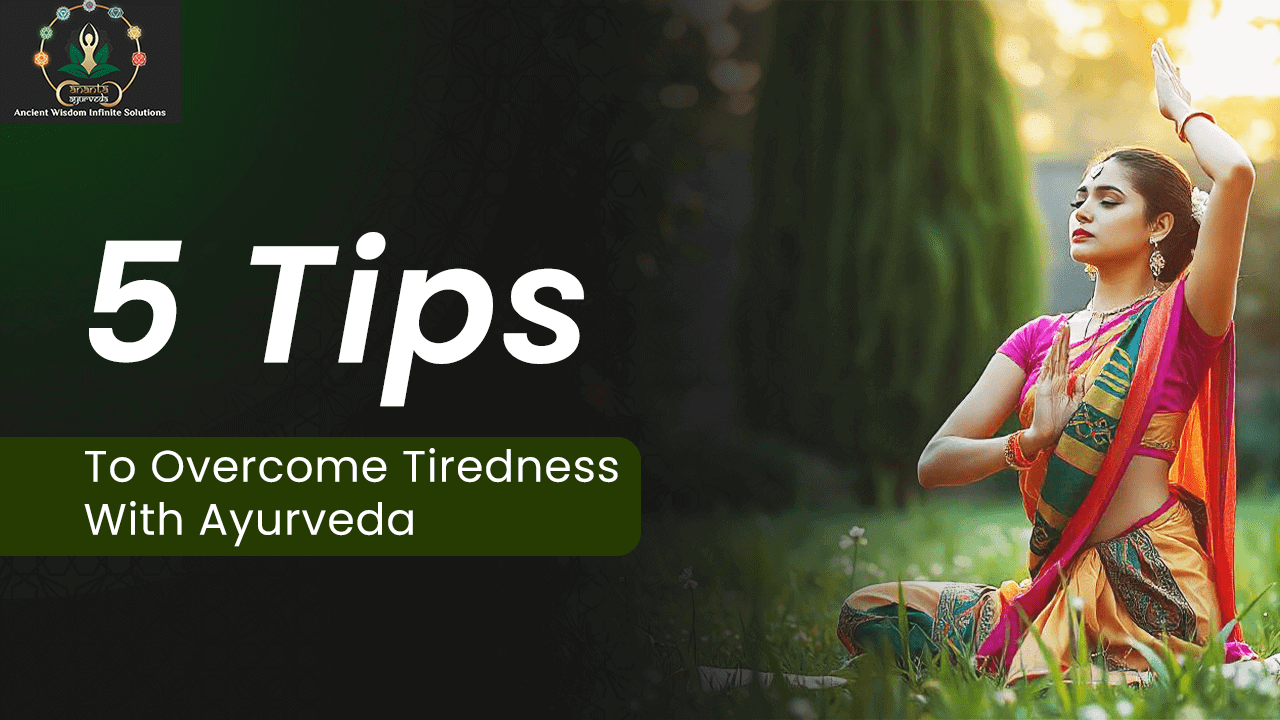
According to Ayurveda, our bodies are designed for routine. An imbalance in the body called a "Kapha imbalance" (caused by an excess of Kapha) is frequently linked to being overweight, feeling heavy, lethargic, and sleepy, as well as lacking the will to exercise and wanting to sleep excessively. In Ayurveda, kapha is the water principle. The elements of earth and water are combined by the energy humor. Heaviness, fluidity, liquidity, lubrication, secretions, and physiological fluids are all caused by energy. Additionally, the body's Kapha is most active between 6 a.m. and 10 a.m. and 6 p.m. and 10 p.m., and it may be more difficult to exercise at these times due to weariness. Everyone has Kapha in the body but in varying proportions. Our physical composition, nutrition, lifestyle, and even the time of day all affect the proportions.Schedule your workouts religiously between 6 and 10 am every day to lessen the influence of Kapha. In a nutshell, this is the Ayurvedic mindset that motivates exercise. You can also consult Ayurvedic doctors who can provide the best stress treatment with the use of natural remedies.
Top 5 reason you feel tired and How to Address Them:
Do you often feel worn out, even after getting enough sleep? There are others around you. Millions of people suffer from the problem of Fatigue . In this piece, we'll examine the main reasons for exhaustion and provide evidence-based tips for boosting your energy levels organically.-
Poor quality of sleep
- Stick to a regular sleep schedule,even on the weekends.
- Steer clear of heavy meals, alcohol, and caffeine right before bed.
-
Inadequate Nutrients
- Iron is present in red meat, chicken, fish, lentils, bean sprouts, tofu, and cereals with added iron.
- Leafy greens, legumes, nuts, seeds, and whole grains are good sources of magnesium.
-
Dehydration
-
Lifestyle Sedentary
- Take regular pauses from sitting, preferably every half an hour, to walk, stretch, or perform little exercise.
- Engage in moderate-intensity aerobic exercise for at least 150 minutes, such as dance, cycling, or walking.
-
Chronic stress:
- Identify your stressors and try to avoid or minimize them if at all possible.
- Practice relaxation techniques such as deep breathing, imagery, and progressive muscle relaxation.