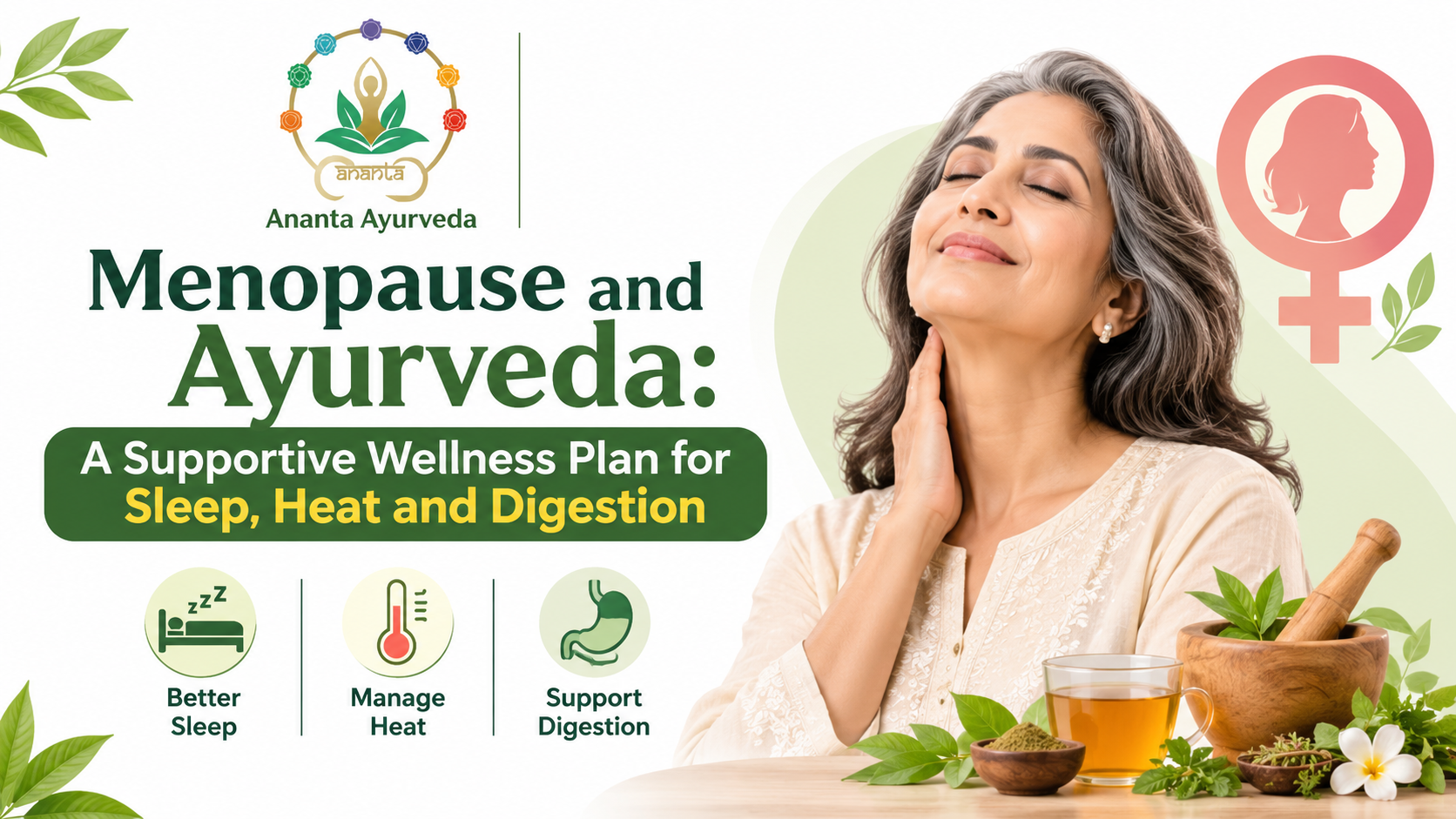
Menopause is a stage of life that comes naturally, but it brings many changes that affect many routine things, such as sleep and digestion. This phase also affects energy levels and everyday comfort because the body goes through various physical changes. The average woman struggles with unpleasant moments during menopause, such as hot flashes and hair loss, which are other common factors.
Ayurveda menopause wellness UK uses some holistic approaches to manage these changes, such as nutrition and lifestyle. Ayurveda follows an approach related to both body and mind, along with daily routine. Traditional Ayurveda considers the menopause phase as a natural process; it is related to changes in Vata, Pitta and Kapha.
The first approach of Ayurveda practitioners is to try to understand the body's natural Dosha to plan a patient's Ayurvedic treatments related to their problem.
Ayurveda treatments can help nourish the reproductive system and slow the aging process if you are going through the menopause phase or are just interested in understanding the menopause phase. Stay tuned to us, as in this blog you will understand the menopause problems and how Ayurveda manages these problems.
What Happened During The Menopause Phase?
- Hot flashes and night sweats
- Anxiety and mood swings
- Sleep disturbance
- Dry skin and hair
- Brain fog and memory changes
- Irregular heartbeat
- Joint pain and stiffness
Approaches That Help Menopausal Women
- Warm grains
- Healthy fats
- Mineral-rich foods
- Warm beverages
- Calcium rich food
- Protein
- Warming spices
- Phytoestrogen sources
Avoid Following:
- Cold and raw food
- Dry Foods such as popcorn and dry cereals
- Excessive caffeine and alcohol
- Refined sugar and spicy food
- Irregular eating pattern
How Can Yoga Support Menopausal Wellbeing
Asanas
- Supported forward folds
- Restorative pose
- Gentle twist
- Grounding standing poses
- Hip openers
Pranayama (Breathing Practice)
- Extended exhalation breathing
- Alternate nostril breathing
- Ujjayi breathing
- Walking and gentle movement
Bone Health Support During Menopause
- Dietary mineral support
- Vitamin D status
- Regular weight-bearing exercise
- Stress reduction
- Herbal support
- Adequate sleep
How Can Retreat Experience Support Your Menopausal Transition?
- Therapeutic treatments
- Nutrition and personalised meal
- Daily yoga and pranayama
- Meditation and mindfulness
- Community and peer support
- Time in Nature
Which Herb Supports Menopause?
Shatvari
It is the primary rejuvenative herb that helps women in the menopause phase, as it is an Ayurvedic herb that provides cooling and nourishment. Traditionally, this herb is used by women throughout life in all phases, especially during menopause, because it supports hormonal balance and helps overcome hot flashes. This is also very helpful for supporting bone health, which promotes emotional health, as it is considered the cornerstone of Ayurvedic menopausal support.
Ashwagandha
This Ayurvedic herb is beneficial for the body to manage stress and provide emotional stability during the vulnerable transition phase. Ashwagandha also helps to promote sleep quality and helps to provide a sufficient amount of minerals such as calcium and phosphorus, which are required to prevent excessive bone loss in the body.
Guduchi
Guduchi is also known as Gloy, an Ayurvedic herb that helps improve immunity and support detoxification in the body. Traditionally, this herb is used to help the body adapt to transitions, as it provides warmth to the body.
Boswellia
People believe that Boswellia can help reduce pain and improve mobility, and this Ayurvedic remedy is also helpful for oral infections. This herb is also helpful to improve digestion in the human body as well as breathing in people with asthma.
Brahmi
Brahmi is another important natural herb used in Ayurveda, known for its antioxidant properties. Brahmi is used to manage mental health, as people believe that it helps to increase memory and concentration. Brahmi is also used to manage stress, depression, and help calm the mind. Traditionally, brahmi is used to promote healthy skin and healthy hair, supporting inner balance, especially helpful in menopause.
Shatavari
In the Ayurvedic world, shatavari is known as the queen of herbs; it is a medicine with different health benefits. It is associated with supporting the immune system and female reproductive health. Shatavari also helps to manage blood sugar, anti-aging changes in the skin, and reduce inflammation.
Triphala
Triphala is an Ayurvedic remedy made up of three small natural medicinal fruits: Amla, Bibhitaki and Haritaki. The remedy is prepared by mixing these three Ayurvedic herbs, and it is beneficial for constipation and abdominal pain, and it helps to improve the consistency of bowel movements in people with gut disorders.
Turmeric
Turmeric is a very common and popular Ayurvedic spice and medicinal herb; turmeric is responsible for giving color to curry. It helps protect against heart disease, supports gut health, and improves the immune system. Turmeric can help increase the antioxidant capacity of the body.
Conclusion
Menopause is a naturally developing transition phase in women aged 45 or 46 and above, and this condition cannot be truly prevented. However, there are different methods you can follow to prepare your body to face menopause. Ayurveda provides a menopause wellness plan that can help the body relax during transitions with the help of different therapies and herbs.
Ayurvedic therapies help to calm your mind and body, and different Ayurvedic herbs, which are mentioned above, are used by Ayurvedic practitioners to make Ayurvedic medicinals. The main goal of Ayurveda is to balance diet and overall wellness by focusing on lifestyle and exercises along with therapies.
You can book your visit with Ananta Ayurveda if you are interested in Ayurvedic medicines and therapies. You can begin with a simple conversation with Geetanjali Kansal, a qualified lifestyle consultant (UK) and Ayurveda consultant.
Frequently asked questions.
At what age does menopause start in women?
Perimenopause in Indian women generally begins in their early forties, and the average age of menopause in Indian women is around 46
What is the time period of perimenopause?
The average time period of perimenopause is four years, but it can be as short as a few months and may extend more than eight years.
Is menopause a disease according to Ayurveda?
No, Ayurveda does not consider menopause a disease; however, it treats menopause as a natural change that comes with age in every woman.
What is the meaning of Rajonivritti in the term of Ayurveda?
In terms of Ayurveda, Rajonivritti is the natural and permanent cessation of menstruation and is associated with menopause.