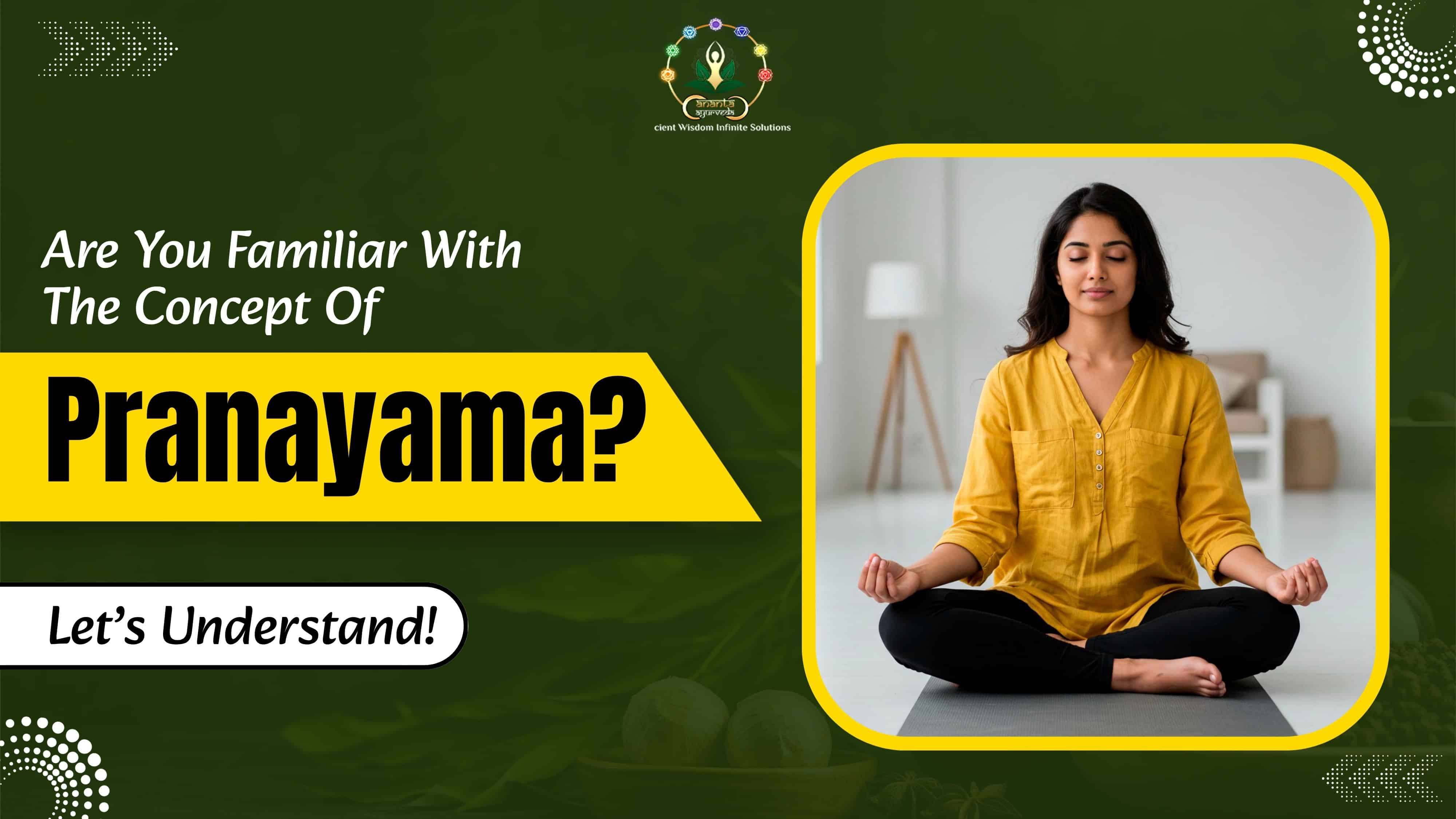
Calming Pranayama, also called yogic breathing techniques, is generally designed for the purpose of regulating the breath in order to calm the mind, thereby reducing the levels of anxiety and shifting the autonomic nervous system from a state of ‘fight-or- flight ‘to a ‘rest-and-digest’ mode. These approaches are often characterised by deep, slow and rhythmic breaths which particularly focus on extended exhalations.
Below is the process of the calming Pranayama, which is most effective for anxiety.
- Bhramari Pranayama – Bee Breath — The word “Bhramari” is derived from the word of Sanskrit, which means black bee, due to the fact that in this technique of Pranayama, the breath encompasses a humming sound that is known for vibrating through the head as well as the chest, thereby creating a calming effect on the nervous system of a person. The benefits of Bhramari Pranayama include the reduction of anger, anxiety and frustration instantly. Moreover, it helps with insomnia as well.
- Nadi Shodhana – Alternate Nostril Breathing — This approach of Pranayama is known to balance both the left and the right hemispheres of the brain. This further brings balance to both the emotional and logical sides of the mind. The benefits of Nadi Shodhana include a reduction in anxiety levels, a lowering of heart rate, thereby improving mental clarity as well.
- Ujjayi Pranayama – Ocean Breath — Also called the “victorious breath”, this approach incorporates a slight constriction of your throat, thereby producing an ocean-like, soft sound. Benefits include increasing the supply of oxygen to your brain, calming the mind and reducing stress as well.
- 4-7-8 Breathing – Relaxing Breath — This is a very rapid and effective approach for the reduction of anxiety and induction of sleep. Benefits include activation of the vagus nerve in order to calm the nervous system, thereby lowering heart rate.
- Dirgha Pranayama – Three-Part Breath — This approach is a foundational technique that emphasises filling the body with air in exactly three parts, which are the ribs, the belly and the chest. Its benefits include relaxing deeply, which helps in grounding your body, thereby bringing attention to the present moment.